Herbs for Weight Loss: What the Science Suggests About Metabolism, Appetite & Hormones
Weight management is rarely about a single variable. Energy balance, appetite regulation, stress hormones, sleep quality, insulin response, and even gut signaling all influence body composition over time.
Interest in herbs for weight loss has grown because certain plant compounds appear to interact with these physiological pathways. The question is not whether herbs are “miracle fat burners,” but whether specific botanicals may support metabolic processes in measurable ways.
This guide examines what research suggests — and where uncertainty remains.

How Could Herbs Influence Body Weight?
Herbal compounds may interact with weight regulation through four primary mechanisms:
1️⃣ Metabolic Rate & Thermogenesis
Some plants contain bioactive compounds that may influence energy expenditure or fat oxidation.
Example:
Epigallocatechin gallate (EGCG) found in green tea, has been studied for its potential role in thermogenesis and fat oxidation.
These effects tend to be modest and often depend on dosage, extract standardization, and individual metabolic variability.
2️⃣ Blood Sugar & Insulin Regulation
Insulin sensitivity plays a significant role in fat storage, especially abdominal fat accumulation.
One widely studied compound is the following:
Berberine has been researched for its effects on glucose metabolism and AMPK activation — a cellular energy-regulating enzyme. While some findings are promising, responses vary and should not replace medical management of metabolic conditions.
3️⃣ Stress Hormones & Cortisol
Chronic stress can influence eating behavior and fat distribution patterns.
Adaptogenic herbs such as:
have been studied for their effects on perceived stress and cortisol levels. Because elevated cortisol may influence appetite and abdominal fat storage, stress-modulating herbs are sometimes explored in weight management contexts.
Evidence is still emerging, and outcomes appear moderate rather than dramatic.
4️⃣ Appetite & Satiety Signaling
Some herbs or plant fibers may influence satiety through the following:
- Delayed gastric emptying
- Blood sugar stabilization
- Gut hormone interaction
For example:
Melissa officinalis has been studied primarily for calming effects but may indirectly influence emotional eating behaviors in stress-sensitive individuals.
Again, effects are supportive — not standalone solutions.
Do Herbs Directly Burn Fat?
Short answer: not in isolation.
No herb overrides caloric balance or metabolic physiology. However, certain botanical compounds may modestly support the following:
- Fat oxidation
- Insulin efficiency
- Appetite regulation
- Stress resilience
These mechanisms can contribute to weight management when combined with:
- Caloric awareness
- Resistance training
- Sleep optimization
- Protein adequacy
Herbs are adjuncts — not substitutes.
But here’s where most people get misled.
Weight gain is rarely about one pathway.
It’s about what researchers sometimes describe as a shift in metabolic signaling priority — when the body subtly favors energy storage over energy release.
And certain hormonal transitions can amplify that shift.
That’s why two people can follow the same calorie plan and see completely different outcomes.
The difference isn’t willpower — it’s signaling.
→ Read: The Science of Metabolic Signaling & Why Fat Loss Feels Harder After 40
Raw Herbs vs. Standardized Extracts: Does It Matter?
This distinction is important.
Herbal Teas & Whole Plant Powders
- Lower concentration of active compounds
- Variable potency
- Traditional usage context
Standardized Extracts
- Concentrated bioactive compounds
- Controlled dosage
- Often used in clinical studies
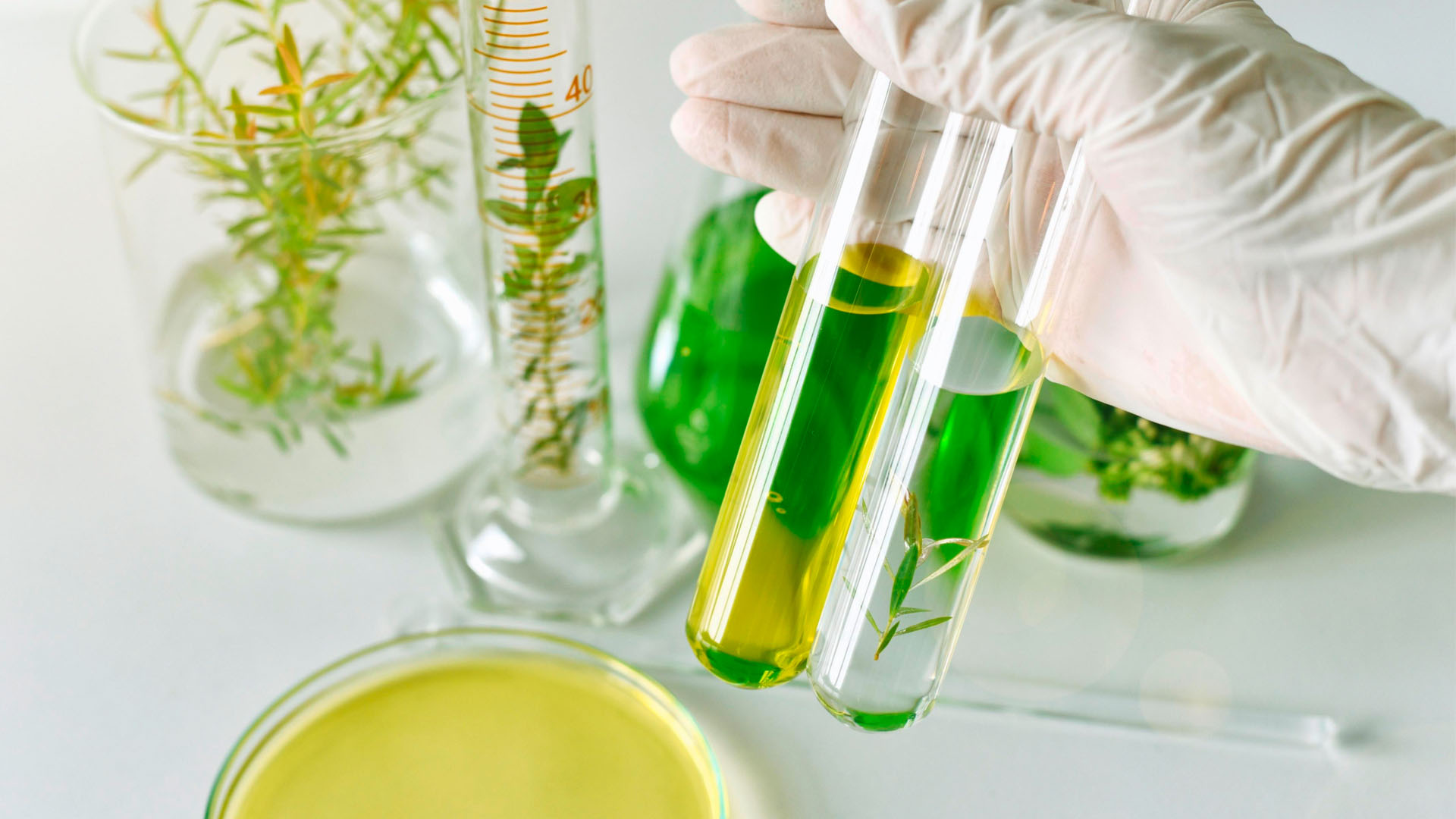
Many research trials use standardized extracts rather than casual tea preparation. That means the physiological effects observed in studies may not translate directly to culinary use.
If you’re comparing different herbs and formats, a structured overview of commonly researched options can provide clarity.
Not all herbs influence the same metabolic pathways.
Some primarily affect insulin signaling.
Others influence stress adaptation.
A few may modestly affect thermogenesis.
Seeing them compared side-by-side often makes the distinctions clearer.
→ Compare the most researched herbal mechanisms here
What Does the Clinical Evidence Actually Show?
Across meta-analyses and randomized trials:
- Effects are generally modest
- Results vary by population
- Standardization and dose matter
- Combination formulas are often studied more than single herbs
Some studies suggest small but statistically significant changes in:
- Body weight
- Waist circumference
- Fasting glucose
- Triglycerides
However:
- Long-term data is limited
- Lifestyle remains the dominant factor
- Individual response varies significantly
Scientific nuance is important here. Overstating outcomes reduces credibility.
Are Herbal Weight Loss Approaches Safe?
Safety depends on:
- Dosage
- Existing medical conditions
- Medication interactions
- Extract concentration
For example:
- Berberine may interact with glucose-lowering medications
- High-dose green tea extracts have been associated (rarely) with liver concerns
- Adaptogens may influence thyroid markers in sensitive individuals
Anyone with medical conditions should consult a healthcare professional before beginning supplementation.
Herbs are biologically active compounds — not neutral beverages.
Who Might Consider Exploring Herbal Support?
Herbal approaches may be explored by individuals who:
- Experience stress-related eating patterns
- Notice blood sugar fluctuations influencing appetite
- Are navigating midlife metabolic shifts
- Prefer plant-based adjunct strategies
They are not substitutes for medical care, structured nutrition planning, or physical activity.
What Should You Look For in a Weight-Loss Herbal Formula?
If evaluating options, consider:
- Standardized extracts (clearly listed active compounds)
- Clinically relevant dosages
- Transparent labeling
- Third-party testing
- Rational ingredient combinations
Rather than chasing “fat-burning" claims, assess whether the formula logically supports the following:
- Metabolic regulation
- Appetite modulation
- Stress balance
If you'd like a side-by-side comparison of commonly researched herbs, mechanisms, and extract types, this structured overview may help you evaluate options more objectively: Best Herbs for Weight Loss
Frequently Asked Questions
Do herbal supplements work without diet changes?
Unlikely. Most research shows modest improvements that are amplified when combined with lifestyle adjustments.
Are herbal teas enough for weight loss?
Teas may provide supportive compounds, but concentrations are typically lower than standardized extracts used in clinical research.
How long do herbs take to show effects?
Most studies evaluate outcomes over 8–12 weeks. Short-term dramatic changes are not typical.
Can I combine multiple herbs?
Combination formulas are common in research, but interactions and cumulative dosage matter. Professional guidance is advisable.
Final Perspective
Herbs are not metabolic shortcuts.
They are biochemical tools that may support specific pathways when used thoughtfully.
Understanding:
- Mechanism
- Dose
- Extract type
- Safety profile
is more valuable than chasing bold claims.
If you're comparing which herbs align best with your metabolic goals, reviewing structured comparisons can reduce confusion and improve decision clarity.
Not all herbs influence the same metabolic pathways.
Some primarily affect insulin signaling.
Others influence stress adaptation.
A few may modestly affect thermogenesis.
Seeing them compared side-by-side often makes the distinctions clearer.
→ Compare the most researched herbal mechanisms here
Important Disclaimer: The information contained on Radiant Health Bliss is intended for informational and educational purposes only. Any statements made on this website have not been evaluated by the FDA and any information or products discussed are not intended to diagnose, cure, treat or prevent any disease or illness. Please consult a healthcare practitioner before making changes to your diet or taking supplements that may interfere with medications.